What Is a Portable Power Station:
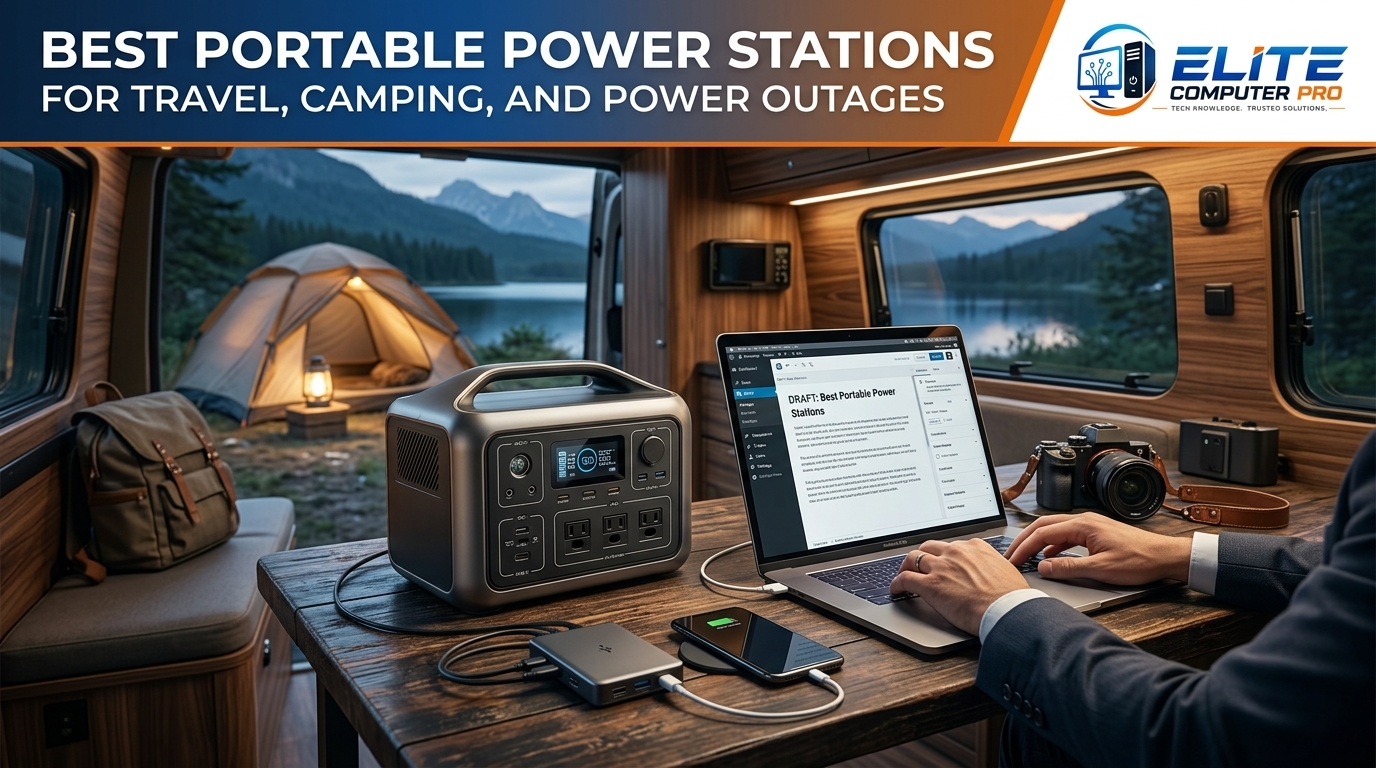
A portable power station is a rechargeable battery device designed to provide electricity when wall power is unavailable. A dead phone during a road trip can be annoying. Losing electricity during a storm can become a real problem. Portable power stations help solve both issues without the noise and fuel smell of traditional generators.
These compact battery powered devices can charge phones, laptops, mini fridges, lights, fans, cameras, and even medical equipment. Whether you love camping, travel frequently, work remotely, or simply want emergency backup power at home, a portable power station can make life easier.
The demand for portable power stations has grown quickly because people now want cleaner, quieter, and safer power solutions. Many modern models also support solar charging, making them useful for long outdoor trips and emergency situations.
Table of Contents
Unlike gas generators, portable power stations:
- Produce no smoke
- Work quietly
- Require little maintenance
- Can be used indoors safely
- Recharge through wall outlets, cars, or solar panels
Most models include:
- AC outlets
- USB ports
- USB-C fast charging
- DC outputs
- LCD battery display
- Solar charging support
Why Portable Power Stations Are So Useful
1. Reliable Backup During Power Outages
Storms and grid failures can leave homes without electricity for hours or even days. A portable power station can keep essential devices running such as:
- Smartphones
- Wi-Fi routers
- LED lights
- CPAP machines
- Laptops
- Fans
- Portable refrigerators
This makes them extremely valuable for emergency preparedness.
2. Perfect for Camping and Outdoor Trips
Camping becomes much easier when you have access to clean power. You can use a portable power station to:
- Charge drones and cameras
- Run camping lights
- Power electric coolers
- Inflate air mattresses
- Charge GPS devices
- Keep phones powered
Since these devices are quiet, they are much better than noisy fuel generators in peaceful campgrounds.
3. Great for Remote Work and Travel
Digital nomads and travelers often work from different locations. Portable power stations allow you to:
- Charge laptops anywhere
- Run portable monitors
- Power internet devices
- Keep equipment safe during outages
Many travelers keep one in their vehicle for emergencies.
Important Features to Look For
Choosing the best portable power station becomes easier when you understand the key features.
Battery Capacity
Battery capacity is measured in watt-hours (Wh). The higher the number, the longer the power station can run devices. Defferent Battery capacity ranges are;
- 200Wh–300Wh: Phones, tablets, lights
- 500Wh–700Wh: Laptops, mini coolers, fans
- 1000Wh+: Home backup and larger appliances
Power Output
Output is measured in watts. You need enough output to support your devices.
Examples
- Smartphone charger: 5W–20W
- Laptop: 60W–100W
- Mini fridge: 60W–120W
- Coffee maker: 600W–1000W
Always check the maximum output before buying.
Charging Speed
Fast charging matters during emergencies and travel. Many modern portable power stations now support:
- Fast AC charging
- USB-C Power Delivery
- Solar charging
- Car charging
Some models recharge fully in under two hours.
Port Selection
A good portable power station should include:
- AC wall outlets
- USB-A ports
- USB-C ports
- Car socket output
- DC outputs
The more ports available, the easier it becomes to charge multiple devices.
Solar Compatibility
Solar charging is useful for long camping trips and emergency situations. Solar panels allow you to recharge the power station without electricity.
This is especially useful during:
- Natural disasters
- RV travel
- Outdoor adventures
- Off-grid living
Best Portable Power Stations to Consider
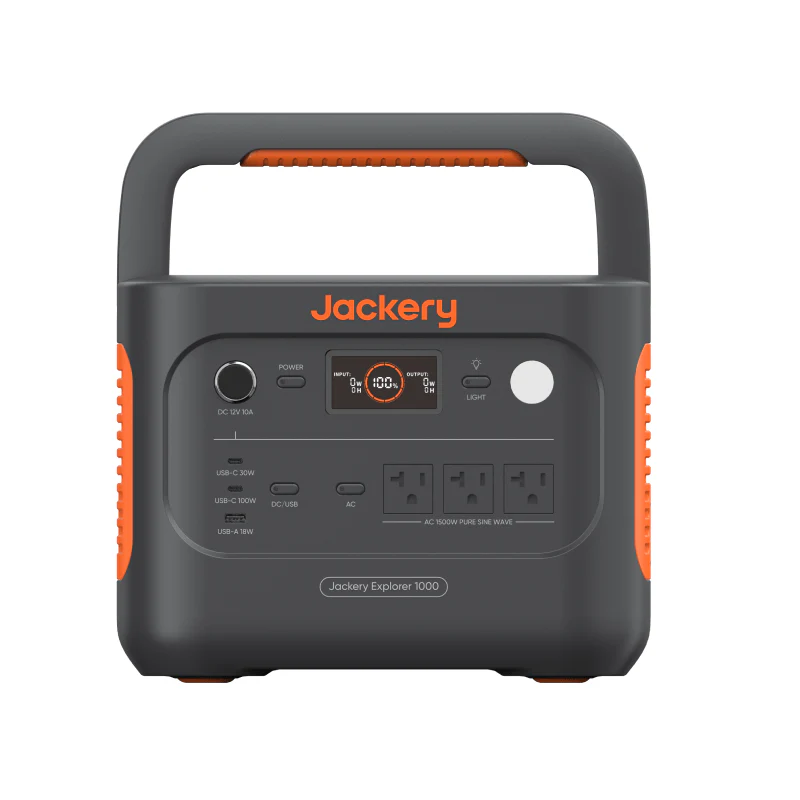
1. Jackery Explorer Series
The Explorer series is popular among campers and travelers because of its simple design and reliability.
Best For
- Camping
- Road trips
- Beginner users
Pros
- Easy to carry
- Quiet operation
- Good battery management
- Solar panel support
Possible Limitation
Some smaller models cannot handle heavy appliances.
2. EcoFlow Delta Series
EcoFlow power stations are known for extremely fast charging speeds.
Best For
- Home backup
- Fast recharging
- Heavy device usage
Pros
- Fast AC charging
- High power output
- Advanced app controls
- Multiple ports
Possible Limitation
Higher end models can be expensive.
3. Bluetti AC Series
Bluetti models are often chosen for long battery life and solar compatibility.
Best For
- Off-grid setups
- Solar charging
- Extended travel
Pros
- Large battery capacity
- Reliable performance
- Expandable battery options
Possible Limitation
Some units are heavier than competitors.
4. Anker SOLIX Series
Anker entered the portable energy market with user-friendly designs and solid battery performance.
Best For
- Home users
- Small office backup
- Travel
Pros
- Compact design
- Easy controls
- Strong USB-C charging support
Possible Limitation
Limited expansion features on smaller models.
How to Choose the Right Portable Power Station
Step 1: List the Devices You Want to Power
Write down all devices you plan to use.
For example:
| Device | Watts |
|---|---|
| Smartphone | 10W |
| Laptop | 65W |
| Fan | 50W |
| Mini Fridge | 90W |
This helps estimate your total power needs.
Step 2: Calculate Runtime
If your power station has 500Wh capacity and your device uses 50W:
Runtime = 500 ÷ 50 = Around 10 hours
Actual runtime may vary slightly because of efficiency losses.
Step 3: Decide Where You Will Use It
Different situations require different sizes.
For Camping
Choose lightweight models.
For Home Backup
Choose higher capacity units.
For RV Travel
Look for solar support and larger batteries.
Step 4: Consider Portability
A powerful unit is useless if it becomes too heavy to carry. Some large power stations weigh over 25 kg.
Check:
- Weight
- Carry handles
- Wheel support
- Compact size
Real Practical Experience
During a severe summer storm, one family lost electricity for nearly 12 hours. Their portable power station powered a Wi-Fi router, two smartphones, LED lights, and a small fan throughout the night.
Instead of sitting in complete darkness or worrying about dead phones, they stayed connected and comfortable until power returned. This simple backup device turned a stressful situation into a manageable one.
Portable Power Station vs Traditional Generator
Portable Power Station
Advantages
- Quiet
- Indoor safe
- No fuel needed
- Easy maintenance
- Solar charging support
Disadvantages
- Limited runtime
- Higher upfront cost for large units
Gas Generator
Advantages
- Longer runtime with fuel
- Higher power output
Disadvantages
- Loud noise
- Fuel costs
- Dangerous fumes
- Not safe indoors
For most travelers and average homeowners, portable power stations are the more convenient option.
Best Uses for Portable Power Stations
Emergency Backup
Keep essential devices powered during outages.
Camping
Run lights, speakers, and portable cooking equipment.
Content Creation
Photographers and video creators use them to charge:
- Cameras
- Drones
- Laptops
- Lighting equipment
Outdoor Events
Useful for:
- Food stalls
- Small music setups
- Outdoor workstations
RV and Van Life
Portable energy storage is now common in RV setups.
Tips to Make Your Portable Power Station Last Longer
Avoid Full Battery Drain Often
Try to recharge before the battery reaches 0%.
Store in Cool Temperatures
Extreme heat damages battery health over time.
Recharge Every Few Months
Even when unused, recharge occasionally.
Use Solar Panels Carefully
Use compatible solar panels recommended by the manufacturer.
Keep Firmware Updated
Many smart models now include mobile apps with updates.
Popular companion apps include:
- EcoFlow
- Jackery
- Bluetti
These apps help monitor:
- Battery percentage
- Charging speed
- Temperature
- Power usage
Common Mistakes Buyers Make
Buying Too Small
Many people underestimate power needs. A small station unit may not run essential devices long enough.
Ignoring Output Limits
Battery size alone is not enough. The power station must support the device wattage.
Forgetting Solar Compatibility
Not all models support solar charging. Must check before buying.
Choosing Cheap Unknown Brands
Low quality batteries can become safety risks. Choose trusted manufacturers.
Are Portable Power Stations Worth It?
For many users, yes.
A portable power station provides:
- Peace of mind
- Emergency preparedness
- Travel convenience
- Cleaner energy
- Quiet operation
The right model can last several years with proper care.
Frequently Asked Questions
What is the best portable power station for camping?
Lightweight models from Jackery and Anker are popular for camping because they are compact, quiet, and easy to carry.
Can a portable power station run a refrigerator?
Yes, many larger portable power stations can run mini fridges and even standard refrigerators for several hours depending on battery capacity.
How long does a portable power station last?
Most quality lithium battery power stations last between 5 to 10 years with proper maintenance.
Are portable power stations safe indoors?
Yes. Unlike gas generators, portable power stations produce no harmful fumes and are generally safe for indoor use.
Can solar panels charge a portable power station?
Yes. Many modern models support solar charging, making them ideal for camping and emergency backup situations.
What size portable power station do I need?
It depends on your devices. Small units work for phones and laptops, while larger units are better for home backup and appliances.
Conclusion:
Portable power stations are no longer just gadgets for campers. They have become practical backup solutions for homes, travelers, remote workers, and outdoor usage.
The best portable power station depends on your specific needs. Some people need lightweight portability for travel, while others need larger battery capacity for emergency home backup.
Focus on:
- Battery size
- Output power
- Charging speed
- Solar compatibility
- Port selection
A well-chosen portable power station can keep your essential devices running during travel adventures, outdoor activities, and unexpected blackouts.
Related: